
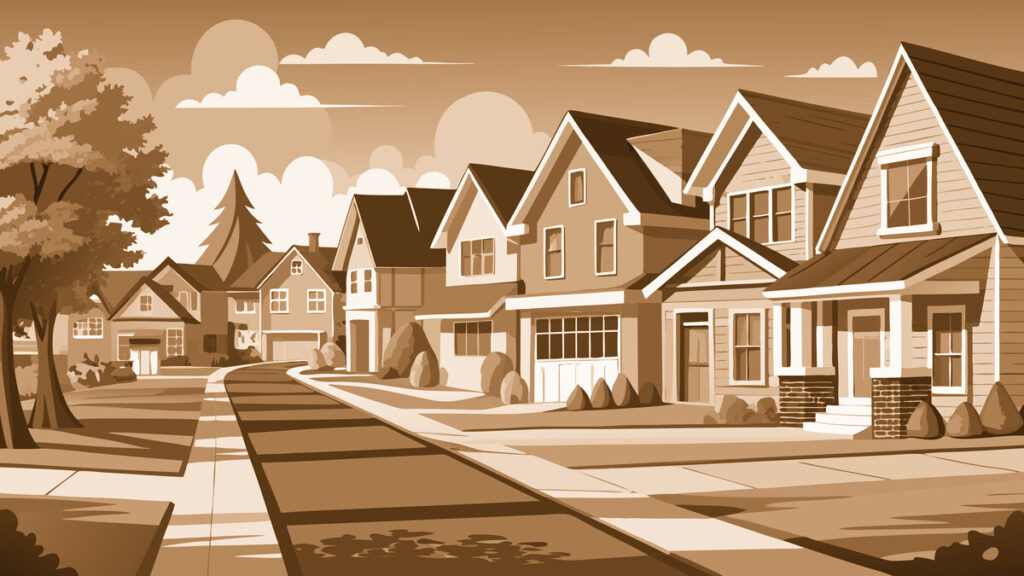
Nestled in the northwest corner of Harvard, Illinois, Dream Acres is more than just a neighborhood — it’s a tapestry woven from generations of memories, hard work, and a shared vision for community life. For longtime residents, the streets of Dream Acres—lined with old maples and stately homes—are filled with echoes of laughter, neighborly waves, and historic moments that shaped Harvard’s character.
The Origins of Dream Acres
Long before Dream Acres gained its now-poetic name, the land was part of the rolling prairie and farmland that defined McHenry County in the late 19th century. Early plat maps from the 1880s show this stretch of ground as a series of family-owned homesteads and dairy farms, many of which were built by German and Irish immigrants who settled Harvard seeking new opportunity.
As Harvard’s population swelled in the early 20th century, local developer and farmer Edwin C. Hartman saw potential in these fertile acres just off Ayer Street, not far from the bustling heart of downtown. Inspired by both the “American Dream” and the picturesque beauty of the landscape, Hartman began subdividing the land in 1928, advertising it as “an ideal place for families to plant roots and realize their dreams.”
The name “Dream Acres” stuck, drawing on both the optimistic spirit of that era and the neighborhood’s promise of spacious lots, leafy yards, and a slower pace of life.
Key Historical Milestones
Through the decades, Dream Acres has been shaped by local and national history. The Great Depression slowed early growth, but the postwar housing boom of the 1950s gave rise to many of the mid-century ranches and Cape Cod homes that still stand along Lilac Lane, Sunset Drive, and Apple Tree Avenue. Families flocked to Dream Acres for its small-town charm yet easy access to Harvard’s schools and shops.
Some milestones that marked the neighborhood’s evolution include:
- 1946: Dream Acres officially became part of Harvard city limits, ensuring city services and paved roads.
- 1953: The construction of Dream Acres Park on the corner of Primrose Road brought a much-needed green space, quickly becoming the hub of summer picnics, Little League games, and winter sledding.
- 1978: Community leaders formed the Dream Acres Improvement Association, which successfully lobbied for updated streetlights, new sidewalks, and a preservation effort for the historic sycamores lining certain blocks.
- 1990s: With Harvard experiencing renewed growth, several newer homes filled in the remaining open lots, yet care was taken to respect the architectural styles of original properties.
Notable Landmarks and Buildings
Dream Acres boasts landmarks that stand as silent witnesses to its rich past. Among them:
- The Hartman Homestead — Now the site of the Dream Acres Community Garden, the original Hartman farmhouse (dating to 1892) was preserved and repurposed as a community center, hosting everything from garden workshops to holiday concerts.
- St. Bridget’s Chapel — Built in 1957 at the corner of Lily Lane and Oak Street, this quaint chapel became a beloved gathering place for area families and still holds an annual Strawberry Social that draws neighbors from all corners of Harvard.
- Dream Acres Park — A centerpiece of the neighborhood, this park features mature oaks, a restored 1930s bandstand, and the city’s oldest public rose garden—planted by the Harvard Garden Club in 1962.
- Primrose Schoolhouse — While now a private residence, the red-brick schoolhouse dates back to 1908 and once educated generations of local children before Harvard consolidated its schools in the 1950s.
Evolution Over the Decades
Dream Acres has always balanced tradition with change. The neighborhood’s leafy avenues, like Maple and Cherry Streets, remained popular in the 1970s and 1980s as young families bought homes from retiring original owners. Block parties, potlucks, and the famous Halloween Parade (which starts on Main Street and winds through Dream Acres each October) are cherished rituals passed from one generation to the next.
Many original homes have been lovingly maintained, but you’ll also find tasteful renovations and additions, reflecting the evolving needs of its residents. Despite growth, Dream Acres has fiercely protected its green space. Walkers, joggers, and bicyclists still find tranquility along the Dream Acres Greenway, a shaded walking path that traces the neighborhood’s western edge.
Local pride is evident in the small details: painted mailboxes, neatly trimmed hedges, and the pastel-painted benches at each park corner, often painted by local scouts and service clubs. Longtime residents often recount how the Dream Acres Improvement Association still meets biannually in the old Hartman Homestead, a tradition unchanged for decades.
What Makes Dream Acres Special
Ask anyone from Dream Acres what makes this corner of Harvard so special, and they will likely smile and point to the bonds between neighbors, the canopy of old trees, and the way the neighborhood weaves together history and hope. Whether it’s the ringing of church bells at St. Bridget’s, the laughter from Dream Acres Park, or the familiar sight of friendly faces on evening walks, Dream Acres always feels both rooted in the past and growing toward the future.
Wander its peaceful streets, and you’ll quickly see why so many Harvard families have chosen to call Dream Acres home—sometimes for generations. Here, heritage isn’t just remembered; it’s lived, celebrated, and shared.